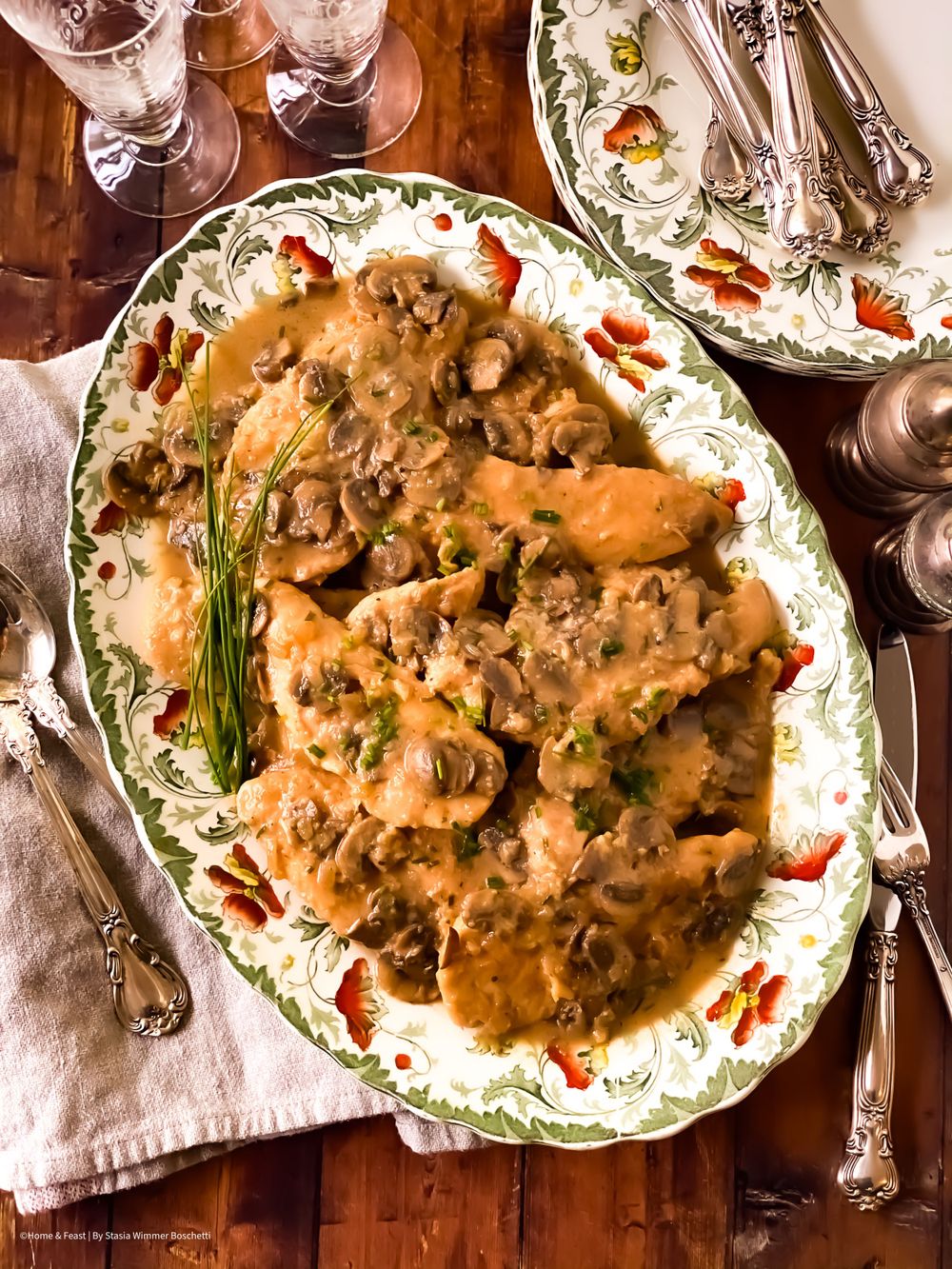
Unveiling the Magic of Chicken Marsala: A Culinary Journey
Imagine a dish that effortlessly marries the rustic charm of Italian-American comfort food with an elegance worthy of a fine dining experience. That, in essence, is Chicken Marsala. This beloved classic delivers golden pan-fried chicken cutlets, tender and juicy, enrobed in a deeply savory Marsala wine and mushroom sauce that somehow feels both sophisticated and incredibly comforting. Despite its restaurant-quality taste, the beauty of chicken marsala lies in its surprising simplicity and speed, making it a perfect candidate for an elevated weeknight dinner.
Rooted in Sicilian culinary traditions where Marsala wine is a staple in savory preparations, chicken marsala found its fame and enduring popularity in Italian-American kitchens across the United States. It's a testament to how humble ingredients, when treated with respect and the right technique, can transform into something truly extraordinary. This article will guide you through unlocking the authentic flavors of this iconic dish, exploring its core components, mastering its quick preparation, and offering tips to make it a regular star in your cooking repertoire.
The Essential Elements: Wine, Mushrooms, and Perfect Chicken
At the heart of any exceptional dish are its ingredients. For chicken marsala, three components reign supreme, each playing a critical role in developing its signature rich, savory, and slightly sweet flavor profile.
Marsala Wine: The Soul of the Sauce
The very name of the dish hints at its most crucial ingredient: Marsala wine. Hailing from Sicily, this fortified wine is what gives the sauce its distinctive, complex character. When choosing Marsala for cooking, it's vital to select a dry variety. While sweet Marsala exists and is often used in desserts, dry Marsala offers the nutty, slightly oxidized, and savory notes that are essential for a truly authentic chicken marsala sauce. As the wine reduces, its alcohol evaporates, leaving behind a concentrated flavor that adds incredible depth and sweetness that balances the savory elements without being cloying.
- Tip: You don't need the most expensive bottle, but avoid "cooking Marsala" which often contains salt and other additives. A decent dry Marsala will make a noticeable difference.
Chicken Cutlets: The Foundation
The protein base of this dish is typically boneless, skinless chicken breast. The key here is thickness. For quick, even cooking and maximum tenderness, the chicken needs to be sliced horizontally into thin cutlets, roughly 1 cm (½ inch) thick, or pounded gently to that consistency. This ensures the chicken cooks through rapidly, remaining moist, and absorbs the sauce beautifully. Thick pieces, conversely, would require longer cooking, risking dry chicken and an over-reduced sauce.
- Choice: While chicken breast is traditional, some enjoy the richer flavor and moisture of boneless chicken thighs. Be aware that thighs will have a different texture and may require slightly longer cooking.
- Preparation: Always pat your chicken cutlets thoroughly dry before dredging in flour. This promotes better searing and a golden-brown crust, crucial for flavor development.
Earthy Mushrooms: The Savory Counterpart
Mushrooms are the perfect earthy foil to the rich Marsala wine. Commonly, cremini (baby bella) or white button mushrooms are used, sliced and sautéed until tender and deeply browned. They add an essential umami depth, a pleasing chewiness, and act like little sponges, soaking up the decadent sauce. Their savory flavor balances the sweetness of the wine and adds a rustic charm to the dish.
- Tip: Don't overcrowd the pan when sautéing mushrooms; this allows them to brown beautifully instead of steaming. Cook them in batches if necessary.
Beyond the Big Three: Flour, Broth, and Aromatics
While Marsala, chicken, and mushrooms are the stars, other supporting actors play crucial roles:
- Flour: A light dredge of all-purpose flour on the chicken cutlets not only helps create a beautiful golden crust when pan-fried but also contributes to thickening the sauce, giving it body and silkiness.
- Broth: Chicken or vegetable broth provides the liquid base for the sauce, working with the Marsala to create volume and depth.
- Aromatics: Shallots and garlic, sautéed until fragrant, lay a foundational layer of savory sweetness and pungency that elevates the entire dish.
Mastering the Method: From Pan to Plate in 30 Minutes
One of the most appealing aspects of chicken marsala is its ability to deliver complex flavors with surprising speed. The entire dish comes together in a single pan, which not only simplifies cleanup but also concentrates the flavors beautifully.
The Art of Searing: Building Flavor
The journey to an amazing sauce begins with perfectly seared chicken. After lightly dredging the thin chicken cutlets in flour, they are pan-fried in a wide skillet until golden brown on both sides. This step is not just about cooking the chicken; it's about creating fond – those delicious browned bits stuck to the bottom of the pan. This fond is a treasure trove of concentrated flavor, the savory backbone of your future sauce. A wide skillet is essential here, allowing the chicken to cook evenly without crowding, which would prevent proper browning.
- Pro Tip: Ensure your skillet is hot and use a fat with a high smoke point (like olive oil or a blend) for searing. Resist the urge to move the chicken too soon; let it develop a crust before flipping.
Developing the Signature Sauce
Once the chicken is seared and set aside, the magic truly begins in the same pan. The mushrooms and aromatics (shallots, garlic) are sautéed in the leftover pan drippings, absorbing those delicious chicken flavors. Then comes the deglazing: dry Marsala wine is poured into the hot pan, scraping up all that wonderful fond from the bottom. This process incorporates all those savory browned bits directly into your sauce. Broth is then added, and the mixture is simmered, allowing the flavors to meld and the sauce to reduce slightly. Finally, the seared chicken is returned to the pan to gently simmer in this rich elixir, ensuring it remains tender and fully infused with the Marsala sauce.
This rapid development of flavor is precisely what makes chicken marsala a weeknight hero. In roughly 30 minutes, you can achieve a depth of flavor that usually takes hours of slow cooking.
Practical Tips for Success
- Don't Overcrowd: Whether searing chicken or sautéing mushrooms, cook in batches if your pan isn't large enough. Overcrowding lowers the pan temperature, leading to steaming instead of browning.
- Skillet Choice: A good quality, wide, heavy-bottomed skillet (cast iron or stainless steel) is ideal for even heat distribution and excellent searing.
- Taste and Adjust: Always taste your sauce before serving. A pinch of salt, a grind of black pepper, or even a tiny splash more Marsala can make all the difference.
- Avoid Overcooking Chicken: Since the chicken cutlets are thin, they cook quickly. Be mindful not to let them simmer in the sauce for too long, as this can make them tough.
Customizing Your Chicken Marsala: Classic, Creamy, and Beyond
While the classic preparation of chicken marsala is sublime, its adaptability allows for minor tweaks to suit personal preferences or dietary considerations.
The Cream Debate: Authentic vs. Modern Indulgence
Traditionally, authentic chicken marsala does not include cream. The richness of the sauce comes solely from the concentrated Marsala wine, broth, and pan drippings, often finished with a swirl of butter for gloss and body. However, many modern and popular versions incorporate a splash of heavy cream, particularly at the end of cooking. This creates a thicker, silkier, and undeniably indulgent sauce. Both styles are widely enjoyed, and choosing between them often comes down to personal taste for richness and texture. If you opt for cream, add it near the end, allowing it to gently heat through without boiling vigorously.
Perfect Pairings: What to Serve With It
The robust flavors of chicken marsala make it wonderfully versatile when it comes to side dishes:
- Pasta: A classic pairing, especially buttery spaghetti or linguine, is perfect for soaking up every drop of that incredible sauce.
- Rice: Simple steamed rice or a fragrant rice pilaf provides a neutral canvas for the sauce.
- Potatoes: Creamy mashed potatoes, roasted potatoes, or even polenta offer a comforting accompaniment.
- Vegetables: Steamed or roasted green beans, asparagus, broccoli, or a simple side salad add freshness and balance to the rich dish.
- Crusty Bread: Don't forget a good crusty Italian bread for mopping up any leftover sauce!
Troubleshooting Common Issues
- Sauce too thin? Allow it to simmer for a few more minutes to reduce, or whisk in a very small amount of cornstarch slurry (cornstarch mixed with cold water) at the very end.
- Sauce too thick? Add a splash more broth or Marsala wine until it reaches your desired consistency.
- Chicken dry? This usually means it was overcooked. Remember to use thin cutlets and simmer them gently in the sauce for just a few minutes until heated through.
Why Chicken Marsala Deserves a Spot in Your Repertoire
From its humble Sicilian origins to its place as a cherished Italian-American staple, chicken marsala offers a remarkable blend of sophisticated flavor and surprising ease. It’s a dish that tastes like it took hours to prepare, yet comes together in a mere 30 minutes, proving that elegance doesn't always demand complexity. By understanding the role of each key ingredient and mastering a few simple techniques, you can confidently create a restaurant-quality meal in your own kitchen. Whether you prefer the classic, non-creamy version or a richer, modern take, this dish promises a comforting and flavorful experience that you'll want to revisit again and again.
